
会社
会社

Are Balcony Solar Mounting Systems Safe in Strong Winds?

Are Balcony Solar Mounting Systems Safe in Strong Winds?
Jul 09 , 2026

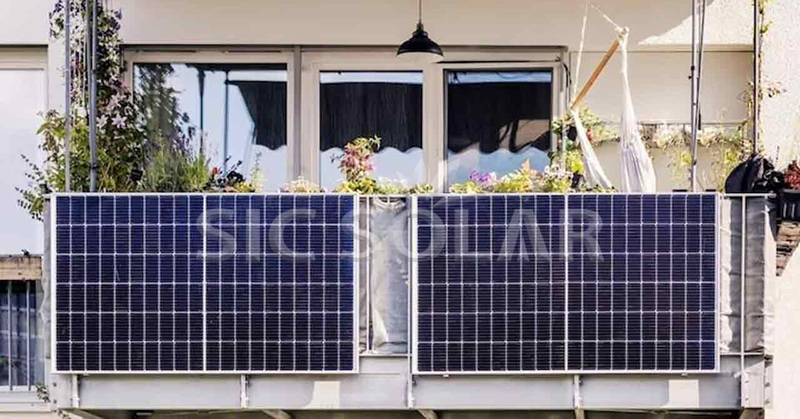
Balcony solar mounting systems have become increasingly popular for apartments, condominiums, and urban homes where roof space is limited. They allow residents to generate renewable electricity by installing solar panels on balcony railings, walls, or other exterior structures. As these systems are exposed to outdoor conditions, many users wonder whether they can remain safe during strong winds. The answer is yes—provided the mounting system is properly designed, installed, and maintained.

balcony solar mounting

Wind is one of the most important factors considered when designing a balcony solar mounting system. Unlike ground-mounted or rooftop installations, balcony systems are often installed on high-rise buildings where wind speeds can be significantly stronger. Engineers must calculate wind loads based on building height, local climate, panel size, and installation angle to ensure the mounting structure can safely withstand expected forces.

The quality of the mounting brackets plays a critical role in overall safety. Balcony solar systems are typically manufactured from anodized aluminum and stainless steel, materials known for their high strength, corrosion resistance, and lightweight properties. These materials provide the durability needed to withstand years of exposure to wind, rain, humidity, and temperature changes.

A secure attachment to the building structure is equally important. Whether the solar panels are mounted on railings, walls, or balcony frames, the brackets must be firmly connected to structural components capable of supporting both the weight of the panels and the additional forces generated by strong winds. Loose or improperly installed connections can reduce the system's stability and should be avoided.

The installation angle also affects wind resistance. Panels mounted at steep angles generally experience greater wind pressure than those installed closer to the balcony surface. Engineers often optimize the tilt angle to balance energy generation with aerodynamic performance, reducing uplift while maintaining good solar exposure.

Another important consideration is the mounting system's structural design. High-quality balcony mounting systems include reinforced brackets, adjustable support arms, and secure locking mechanisms that distribute wind loads evenly across the structure. This helps minimize stress on individual components and improves long-term reliability.

Manufacturers such as SIC Solar, a company specializing in the production and supply of photovoltaic mounting systems, provide balcony solar mounting solutions engineered for strength and durability. Their systems are designed to accommodate different balcony types while offering reliable structural support, corrosion resistance, and efficient installation.

Compliance with local building codes is essential for safe installation. Wind load requirements vary by region, particularly in coastal areas and locations frequently affected by storms. Choosing a mounting system that meets local engineering standards helps ensure safe operation under severe weather conditions.

Regular inspections also contribute to long-term safety. Installers or property owners should periodically check bolts, clamps, brackets, and fasteners to ensure they remain tight and free from corrosion. Any damaged or worn components should be replaced promptly to maintain structural integrity.

When designed according to engineering standards and installed using high-quality mounting components, balcony solar mounting systems can safely withstand strong winds. Careful planning, proper attachment methods, and routine maintenance allow these systems to provide reliable clean energy while maintaining the safety of both the building and its occupants.

伝言を残す
10年の太陽光発電経験を持つプロフェッショナルチームであるSIC SOLARは、
メッセージを送る

伝言を残す

伝言を残す
10年の太陽光発電経験を持つプロフェッショナルチームであるSIC SOLARは、
メッセージを送る

製品

whatsApp

接触