
何を探していますか?

ソーラーカーポートは、エネルギーコストを大幅に削減しながら、駐車場からより多くの価値を引き出したい企業の注目を集めています。こう想像してみてください。太陽光パネルのために未利用の土地を広げる代わりに、企業は現在、駐車中の車の上に太陽光発電パネルを設置し、電気を生み出すだけでなく、車両を天候から守る二重用途の空間を作り出しています。
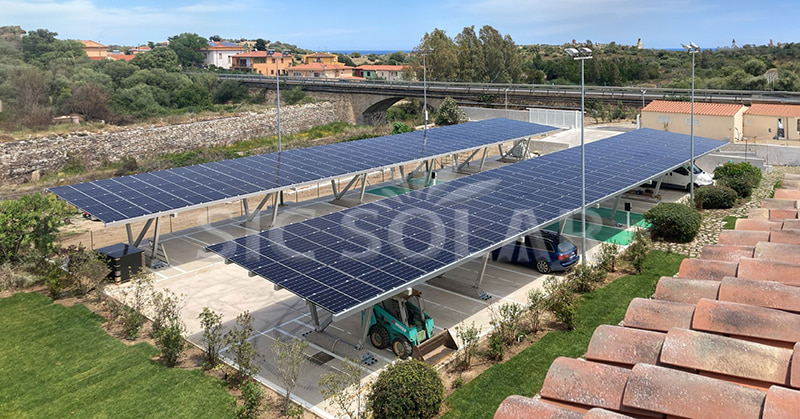
最もすぐに得られるメリットは何でしょうか。それは電気料金の削減です。考えてみてください。商業ビル、工場、ショッピングセンターは日中に大量の電力を消費することがよくあります。ソーラーカーポートを利用すれば、企業は最も必要とするタイミングでエネルギーを活用でき、電力網への依存を減らせます。地域の料金体系やエネルギー政策によっては、節約額は時間とともに大きく積み重なり、企業のエネルギー支出の管理方法を変える可能性があります。
そして、十分に活用されていない駐車スペースのことも忘れてはいけません。一般的な駐車場は、車を停める場所としての役割以上のことはほとんどしていません。しかし、上部に太陽光パネルを設置すれば、同じ空間が本来の役割を失うことなく、収益を生み出す設備へと変わります。これは特に、大規模な駐車施設を持つ企業にとって魅力的です。
さらに、政府からの優遇措置もあります。税額控除、還付金、助成金など、その種類は多岐にわたります。場所によってこれらの支援制度は大きく異なるため、企業は導入に踏み切る前に、地域の規制を詳しく調べ、利用可能な制度を確認することが重要です。
ここで、電気自動車(EV)充電ステーションを組み合わせることを想像してみてください。これらをカーポートに統合することで、太陽光エネルギーを利用して、職場の車両群や顧客の車両を充電できます。これは双方にメリットがあります。充電コストを抑えながら、従業員や顧客に新たな便利なサービスを提供できます。
長期的な費用についても、ソーラーカーポートは管理に役立ちます。化石燃料とは異なり、太陽光は無料であり、これらのシステムは多くのメンテナンスを必要としません。頑丈な架台構造と適切に設計された電気システムにより、企業は数十年にわたる安定した発電を期待でき、エネルギー予算の管理が大幅に簡単になります。
さらに、不動産価値の向上や企業の持続可能性への取り組みのアピールにもつながります。太陽光パネルで整備された駐車施設は、企業が再生可能エネルギーへの取り組みを重視していることを明確に示し、環境意識の高いテナント、顧客、投資家にとってより魅力的な存在になります。
架台構造の設計は、プロジェクトの経済性において重要な役割を果たします。優れた設計は、材料使用量、労働コスト、設置時間を削減できます。SIC Solarのような企業は、さまざまな駐車場レイアウトや商業ニーズに適合するカスタマイズされたソーラーカーポート構造を提供しています。耐久性の高い材料とモジュール式部品を使用することで、初期費用と長期的なメリットのバランスを取っています。
しかし重要なのは、企業は太陽光パネルの価格だけでなく、プロジェクト全体のコストを見るべきだという点です。基礎工事の要件から構造設計、電気設備、設置作業、メンテナンス、EV充電、利用可能な補助制度まで、あらゆる要素が投資収益率全体に影響を与える可能性があります。綿密な実現可能性調査によって、適切なシステム規模と予想される発電量を特定できます。
広大な駐車場と安定した電力需要を持つ企業にとって、ソーラーカーポートは未活用だった上部空間を価値あるエネルギー資源へと変えることができます。電気料金の削減、利用可能な優遇制度、EV充電機能、継続的な発電によって、ソーラーカーポートは商業施設にとって賢明な投資として注目されています。



 IPv6 ネットワークサポート
 日本語
日本語  English
 Deutsch
 español
 português
 Nederlands
 العربية
 한국의
한국의 Melayu
 Tiếng việt