
何を探していますか?

ああ、基礎——それはまるで地上設置型太陽光発電システムの縁の下の力持ちのような存在ですよね? 太陽光パネルの重量を受け止め、大地にしっかりと固定し、試練の時に耐え抜くための頑丈な大黒柱です。しかし、ここに重要なポイントがあります。万能な解決策は存在しないということです。最適な基礎とは何か? それは、土壌の性質、土地の傾斜、母なる自然のきまぐれ、そしてもちろんご予算という複雑な要素の組み合わせによって変わってきます。
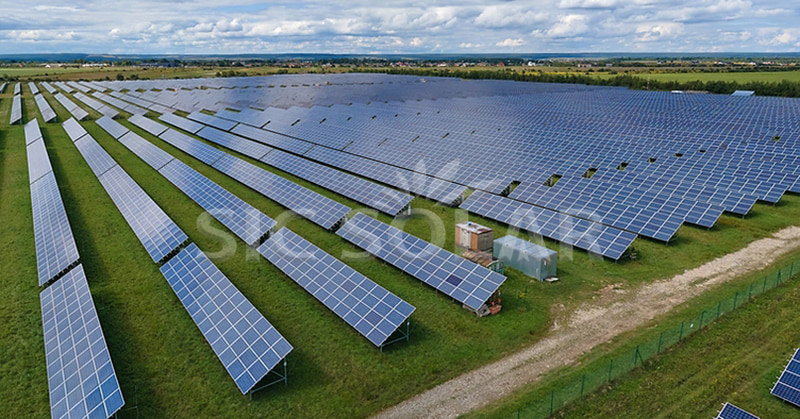
—それでは、選択肢を見ていきましょう。—
1. グランドスクリュー
イメージしてみてください。足元の土壌をほとんど乱さない迅速な施工を。グランドスクリューは、作業をシンプルに抑えたい場合に最適です。重機やコンクリートによる汚れを必要とせず、土壌に直接ねじ込みます。都市部のポップアップショップのように、後で撤去して移動する可能性があるプロジェクトにもぴったりです。
2. 打込み杭(駆動パイプ)
さて、より大規模な太陽光発電プロジェクトに取り組む場合は、打込み杭の出番です。鋼管が地面に打ち込まれ、広大な土地をカバーできる堅固な基礎を形成する様子を想像してみてください。ただし覚えておいてください——この方法は、打ち込む土壌の条件に大きく依存します。すべては深度と強度にかかっているのです。
3. コンクリート基礎
ああ、コンクリート——基礎界のヘビー級チャンピオンです。他の選択肢では土壌が対応できない場合でも、岩のように頑丈なベースを提供します。しかし、施工にはかなり手がかかります。掘削作業、養生期間の待ち時間など、いろいろな工程が必要です。工期もコストも膨らむ可能性があります。
4. 設置場所の条件の検討
本格的に着手する前に、徹底的な現地調査が不可欠です。土壌の種類、地盤の支持力、地下水面、さらには土地の傾斜——これらすべての要素が、基礎がどれだけ良好に機能するかにおいて極めて重要な役割を果たします。地元の気象パターンも忘れずに考慮してください——強風や積雪荷重は大きな影響を及ぼします。
SIC Solarは、太陽光発電架台の専門家として、さまざまな基礎タイプやプロジェクトのニーズに合わせたソリューションを提供する用意があります。
5. 施工およびプロジェクトの要件
考えてみてください——施工工具、所要時間、設置場所への搬入のしやすさ、そして遵守すべき環境規制について。優れた基礎とは、安定性と実用性のバランスが取れており、コストを抑えつつすべてがしっかりと自立できるようにするものです。
—それでは、RFQ(見積依頼書)に関する質問に取り組んでみましょう——明確にすることが何よりも大切ですからね。—
Q: 基礎のRFQにはどのような情報が必要ですか?
A: プロジェクトの所在地、土壌の詳細、システム規模、パネルの仕様、地形、地元の風荷重や雪荷重などの詳細を収集する必要があります。
Q: グランドスクリューはあらゆる土壌タイプに適していますか?
A: 必ずしもそうではありません。その有効性は、土壌の強度、構成、地下水の有無、および受け止めるべき荷重に左右されます。
Q: 打込み杭が適切な選択肢となるのはどのような場合ですか?
A: 土壌条件が効率的な施工にちょうど適している大規模プロジェクトで真価を発揮します。
Q: コンクリート基礎はカスタマイズ可能ですか?
A: もちろんです! 特定の構造上および設置場所のニーズに合わせて、寸法や補強を設計できます。
Q: 土質調査報告書に基づいて基礎を選択することはできますか?
A: もちろんです! 土質調査データは、適切な基礎タイプと設計を特定するための最高の味方です。
Q: SIC Solarは多様な基礎に対応する架台システムを提供していますか?
A: はい、その通りです! SIC Solarは、グランドスクリュー、打込み杭、コンクリート基礎などに適合する太陽光発電架台構造を迅速に製作できます。
Q: 正確な見積もりを得るにはどのような書類が必要ですか?
A: 役立つ書類としては、配置図、土質調査報告書、パネル仕様書、システム容量、基礎要件、および地元の設計荷重情報などが挙げられます。



 IPv6 ネットワークサポート
 日本語
日本語  English
 Deutsch
 español
 português
 Nederlands
 العربية
 한국의
한국의 Melayu
 Tiếng việt